Achieve a flawless, secure hold for your lace front wigs! Compare hair glue vs wig tape, learn proper application, and discover why adhesive remover is essential. Your complete guide to hair adhesives.
A perfectly installed lace front wig or full lace wig can be life-changing. But the key to a natural, confident look lies in the foundation: the adhesive. Choosing the right hair glue or wig tape—and knowing how to remove it safely—is what separates an amateur install from a professional, undetectable one.
Let’s dive into the world of hair adhesives to ensure your wig stays securely in place, without compromising your skin or natural hair.
Part 1: Hair Glue & Bonding Gel – The Champion of Long-Lasting Hold
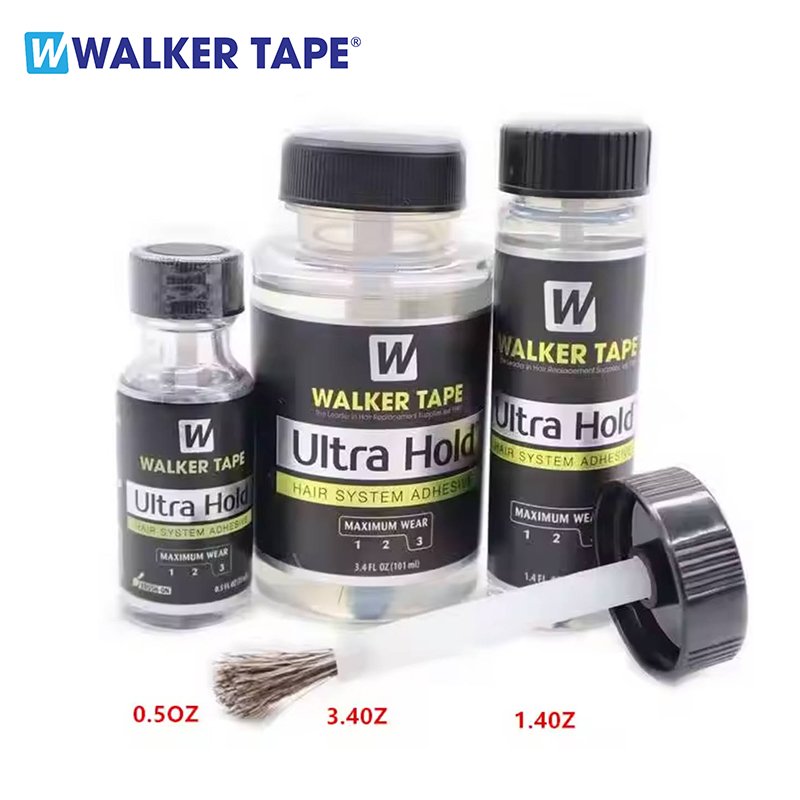
Hair glue (or hair bonding glue) is the preferred choice for those seeking a strong, waterproof, and long-lasting bond. It’s ideal for active lifestyles, humid climates, or when you need your wig to stay put for several days or even weeks.
Types of Hair Glue:
Water-Based Hair Glue: A gentler formula, often recommended for sensitive skin. It’s easier to clean and typically has a lower odor. Great for beginners.
Solvent-Based Hair Glue: Offers an ultra-strong, durable hold that can withstand sweat and humidity. This is the go-to for performers or those requiring maximum security.
How to Apply Hair Glue:
1. Prep your skin: Cleanse your scalp and the wig’s lace with rubbing alcohol to remove oils.
2. Do a patch test: Always test the adhesive on your skin 24 hours before full application.
3. Apply a thin layer: Using a brush or nozzle, apply a thin layer of hair glue to your hairline and the perimeter of the wig cap.
4. Let it get tacky: Wait for the glue to become clear and tacky to the touch.
5. Press and secure: Carefully place the wig and press the lace onto the adhesive, holding it firmly for a minute.
Part 2: Wig Tape & Adhesive Strips – The Master of Convenience
Wig tape (or double-sided tape for wigs) is fantastic for a quick, strong, and mess-free application. It’s excellent for full-cap wigs or for those who wear their wigs more temporarily.
Pros of Wig Tape:
No drying time – instant hold.
Easy to apply and reposition.
Less messy than liquid adhesives.
How to Use Wig Tape:
1. Clean the area: Ensure your skin and the wig base are clean and oil-free.
2. Cut to size: Cut the wig tape strips to fit the areas you want to secure (e.g., front, sides, back).
3. Peel and stick: Remove one side of the protective paper and press the tape onto your scalp. Remove the other side and carefully position your wig, pressing down firmly.
Part 3: The Non-Negotiable Final Step – Safe Removal with Adhesive Remover
This is the most critical step for protecting your skin and the longevity of your expensive human hair wigs. Never, ever peel off your wig without properly dissolving the adhesive first!
Why Adhesive Remover is Essential:
Protects Your Skin: Tugging and pulling can cause irritation, redness, and even hair loss.
Preserves Your Wig: Forcing the lace off can tear the delicate lace, ruining your wig.
Removes Residue: A good adhesive remover or solvent effortlessly breaks down glue and tape residue, leaving both your skin and the wig base clean.
How to Use Adhesive Remover:
1. Apply the remover: Spray or soak a cotton pad with adhesive remover.
2. Gently dissolve: Gently dab and press the saturated pad along the lace line, allowing the remover to seep through and dissolve the glue or tape.
3. Lift gently: Once the bond is broken, you can gently lift the wig away from your skin without any pulling.
Conclusion: Confidence is Built on a Secure Foundation
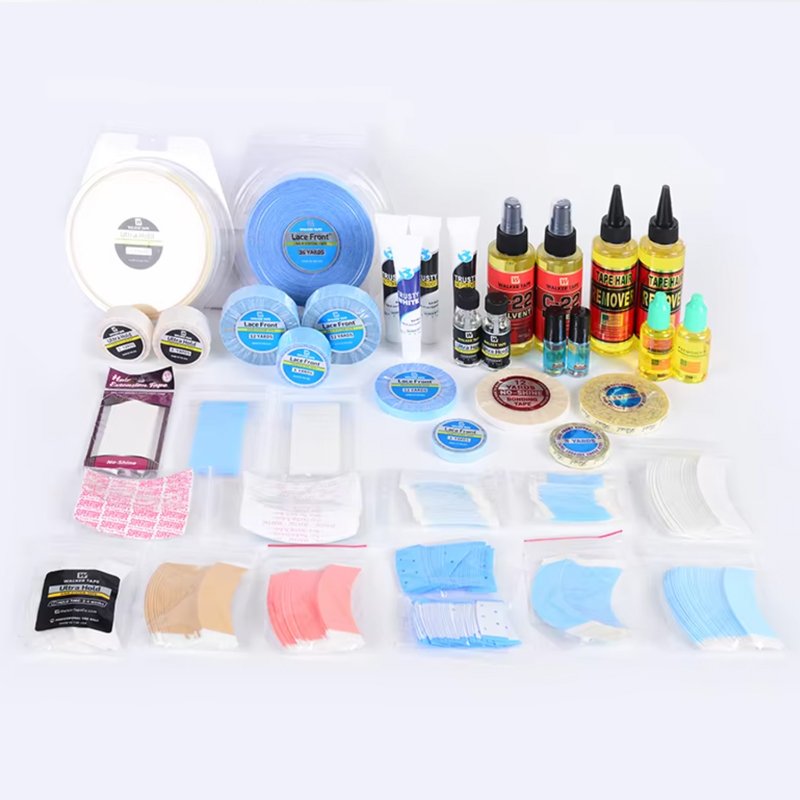
Using the right hair attachment products is not just about security; it’s about safety and comfort. Whether you choose the stronghold of hair bonding glue or the convenience of wig tape, always partner it with a reliable adhesive remover.
Shop Our Hair Attachment Collection! Explore our premium range of hair glue, wig tape, and gentle yet effective adhesive removers. We provide the quality products you need for a flawless and safe wig-wearing experience. Your confidence is our priority!